
Why we stopped digging, and what five years of no-dig taught us
Five years ago we turned over half of our trial ground to the no-dig method and left our spades in the shed. The results have been quietly remarkable — and they have changed how we garden for good.
For generations, autumn digging was simply what gardeners did. Turn the soil, break the clods, expose the pests to the frost. So when the no-dig approach — popularized by growers who simply spread compost on the surface and let the worms do the rest — began to gain ground, we were skeptical. In 2020 we set out to test it properly, side by side with a conventionally dug plot, on the same soil and the same crops.
What we did
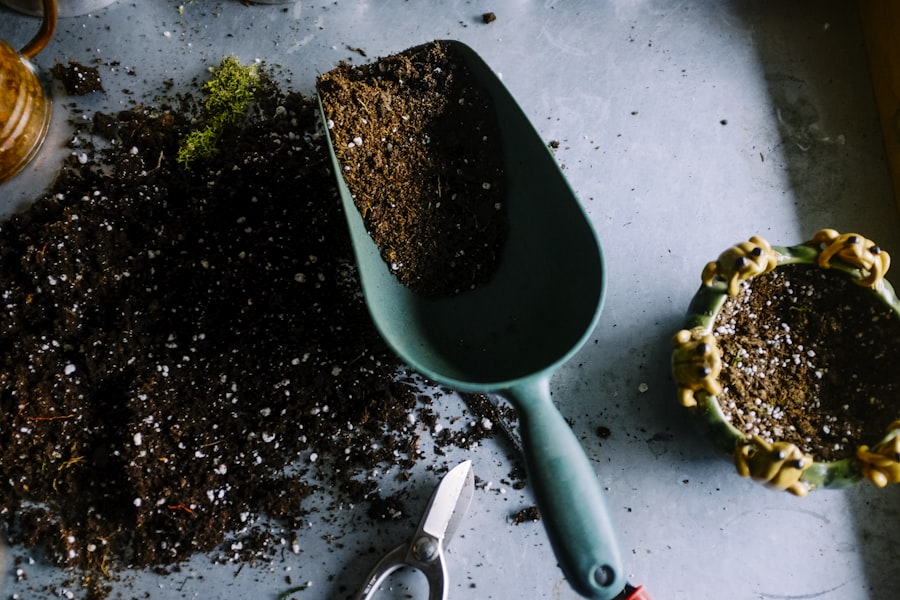
The method could hardly be simpler. Each autumn we spread a five-centimeter layer of garden compost across the no-dig beds and left it untouched. No turning, no forking, no breaking up the soil. Weeds were removed by hand or smothered with cardboard and mulch. The dug beds, meanwhile, were managed the traditional way, turned over each winter and raked to a tilth in spring.
What we found
Three things stood out. First, the weeds. With the soil left undisturbed, far fewer weed seeds were brought to the surface to germinate, and weeding time on the no-dig beds fell by well over half. Second, the water. The mulched, uncompacted no-dig soil held moisture far longer through dry spells, and needed noticeably less watering. Third — and most surprising to the doubters among us — the yields were every bit as good, and in some crops a little better.
Less work, healthier soil, fewer weeds — and not a spade in sight.
Why it works
Healthy soil is not an inert growing medium but a living thing, threaded through with fungi, bacteria, and the channels left by worms and roots. Digging tears all of that apart. Leave it alone, feed it from the top, and the underground community knits the soil into the open, crumbly, water-holding structure that every gardener is chasing — and does it for free.
Try it yourself
You do not have to convert the whole garden at once. Pick one bed this autumn, spread your compost, and leave the spade where it is. Give it a season, and we suspect you will be doing the same to the rest of the garden the year after.