
Good compost is the closest thing gardening has to magic: it costs nothing, asks for little, and quietly turns both your soil and your kitchen scraps into something better. Here is how to make it well — and how to fix it when it goes wrong.
Every gardener should make compost. It is the cheapest soil improver there is, it keeps a steady stream of waste out of the bin, and it feeds the vast, invisible community of life that does the real work underground. You do not need a tumbler, a sachet of accelerator, or a degree in soil science. You need a corner of the garden, a rough sense of balance, and a little patience.
Why it is worth the effort
Compost does three things at once. It improves structure — opening up sticky clay so that roots, water, and air can move through it, and helping light, sandy soils hold on to moisture and nutrients. It feeds soil life, from earthworms to the fungi and bacteria that unlock nutrients for plant roots. And it closes a loop: the peelings, prunings, and fallen leaves that would otherwise be carted away become next year’s growing medium. A garden that makes its own compost is a garden that largely feeds itself.
The two ingredients: greens and browns
Everything you put on a heap is either a “green” or a “brown”, and getting the balance roughly right is the whole game. Greens are soft, moist, and rich in nitrogen: grass clippings, vegetable peelings, coffee grounds, soft prunings, spent bedding plants. They rot quickly and drive the heat that breaks everything down. Browns are dry and woody, rich in carbon: cardboard, fallen leaves, straw, shredded paper, woody stems. They give the heap structure, let air in, and stop it collapsing into slime.
Aim for roughly equal parts by volume — a little more brown than green, if anything. Too many greens and the heap turns wet, airless, and smelly. Too many browns and it simply sits there, doing very little for months. When in doubt, add browns: a heap can almost never have too much air.
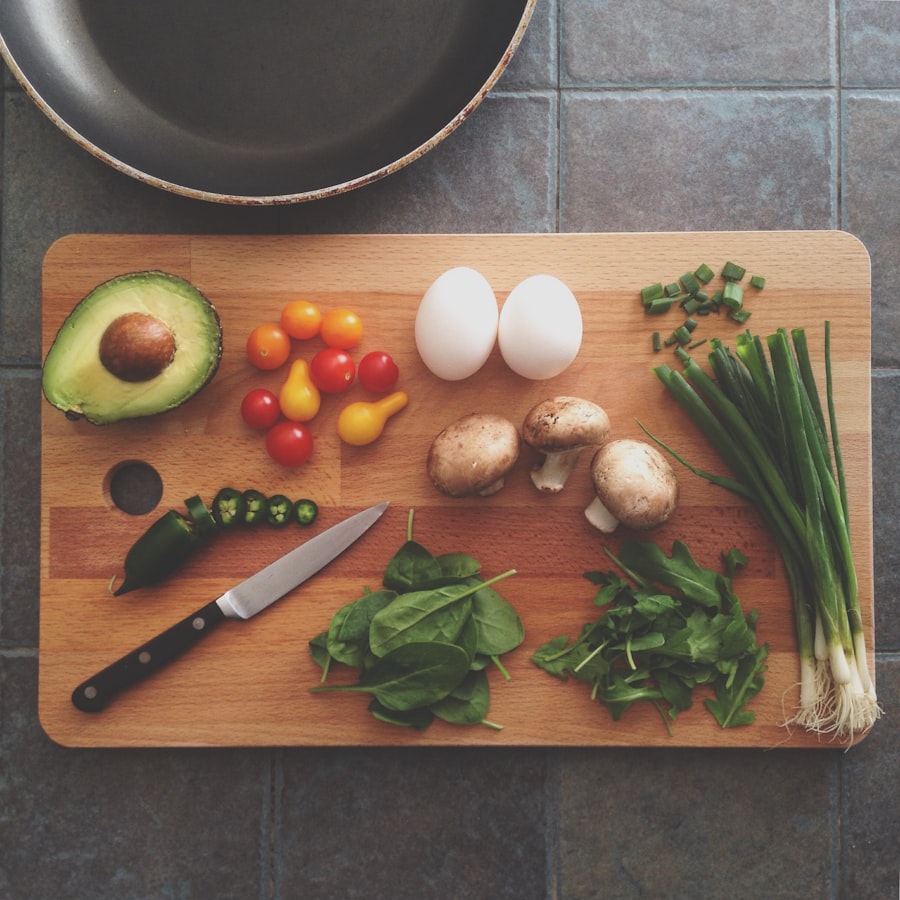
Get the balance of greens and browns roughly right, and almost everything else takes care of itself.
Building the heap
Size matters more than most beginners expect. A heap that is at least a cubic meter will hold its own warmth and break down far faster than a thin layer in a small bin — though a smaller bin works perfectly well if you are not in a hurry. Site it on bare soil where you can, so that worms and microbes can move up into it from below, and somewhere you will actually walk past. An out-of-sight heap is an out-of-mind heap.
Build in rough layers, alternating greens and browns, and tear or chop bigger material into smaller pieces so it breaks down faster. A forkful of finished compost or good garden soil scattered through the heap introduces the microbes that get things going. Keep it loosely covered to hold in warmth and keep the worst of the rain off.
Hot and cold composting
There are two ways to compost, and both work. Cold composting is the patient method: add material as it comes, leave it alone, and let it rot down over a year or so. It asks almost nothing of you and suits most gardens. Hot composting is faster and more deliberate — you gather a large batch all at once, balance it carefully, and turn it regularly. A well-made hot heap can reach 60°C within days, kill most weed seeds and diseases, and give you finished compost in a couple of months. Choose whichever suits your patience and the size of your pile.
Air, moisture, and turning
Compost is alive, and like anything alive it needs air and water. The heap should be about as damp as a wrung-out sponge: too dry and the process stalls, too wet and it turns sour. Turning the heap every few weeks — lifting and mixing it with a fork — folds in air and speeds everything along. If you would rather not turn it at all, simply build in plenty of browns for structure and accept that it will take a little longer to finish.
When it is ready, and how to use it
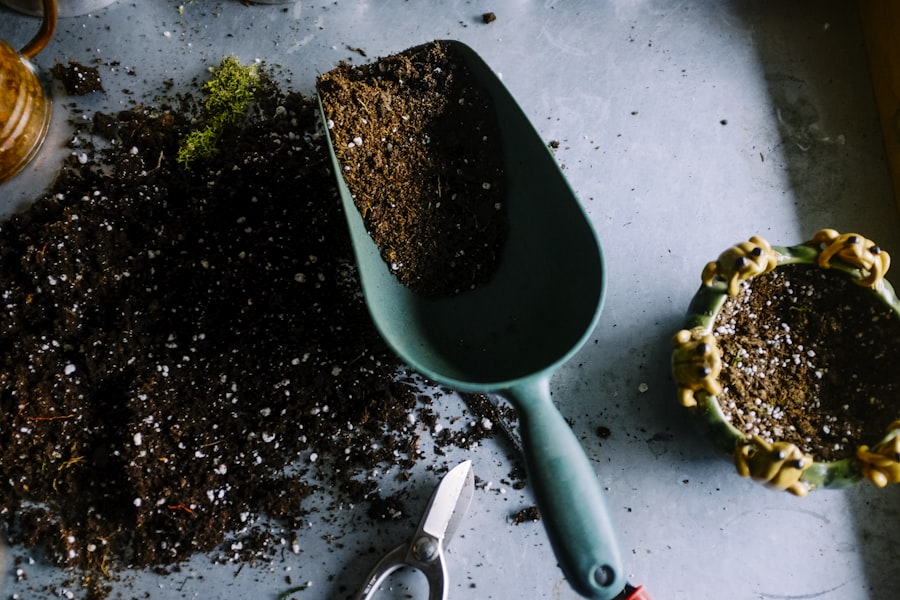
You will know your compost is finished when it is dark brown, crumbly, and smells sweet and earthy, like a woodland floor. The original ingredients should be all but unrecognisable, give or take a few stubborn twigs you can sieve out and throw back on. Spread it across beds and borders in autumn or spring — there is no need to dig it in, as the worms will take it down for you — or use it to enrich potting mixes and top-dress your containers.
When things go wrong
A compost heap is remarkably forgiving, and almost every problem has a simple fix:
- Smelly and slimy: too wet and airless. Add browns, turn it, and lay off the grass clippings for a while.
- Dry, with nothing happening: too dry, or too many browns. Water it, add greens, and turn.
- Flies, or a visiting rat: bury food scraps in the center of the heap, and never add cooked food, meat, or dairy.
- Ants moving in: usually a sign the heap is too dry. Water it well and turn it through.
What to leave out
Most kitchen and garden waste is fair game, but a few things cause more trouble than they are worth. Keep out cooked food, meat, fish, and dairy, which attract vermin; perennial weed roots and seeding weeds, which can survive a cool heap; diseased plant material; and anything treated with a persistent weedkiller. Everything else — peelings, leaves, cardboard, coffee grounds, spent flowers — is the raw material of next year’s garden.
Start a heap this weekend, and by next season you will wonder why you ever paid for a bag of soil improver again.