
You do not need an garden plot to grow your own. A few square meters of sun — or even a row of pots — is enough to keep a kitchen in salads, herbs, and vegetables from spring right through to autumn.
There is nothing quite like eating something you grew yourself, picked minutes before it reaches the plate. Home-grown vegetables taste better, cost a fraction of the shop price, and connect you to the seasons in a way few other things do. Best of all, getting started is far simpler than most people imagine. This guide takes you from bare ground to your first harvest.
Start small
The most common mistake new growers make is taking on too much. A vast, weedy plot is dispiriting; a small, well-tended bed is a pleasure. Begin with an area you can comfortably look after — a single raised bed, a sunny border, or half a dozen large containers will give you more than you expect. You can always expand next year, once you have the rhythm of it.
Choosing the spot
Most vegetables want sunshine — at least six hours a day — and shelter from strong wind. Watch your garden for a day or two and note where the sun falls. Avoid deep shade under trees and the frost pockets that collect at the bottom of slopes. If your only sunny ground is poor or compacted, a raised bed filled with good soil is the easiest fix there is, and it warms up faster in spring into the bargain.
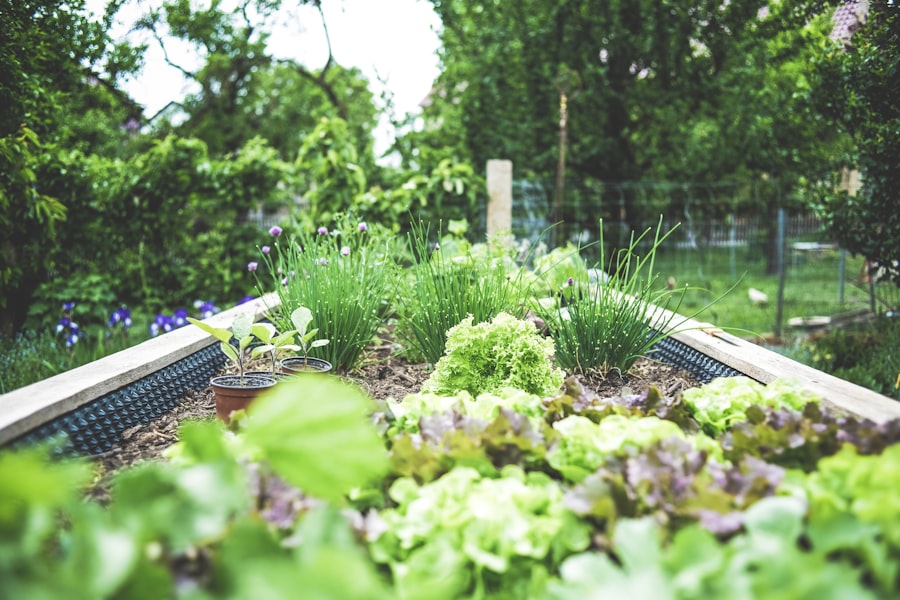
Preparing the ground
Clear away weeds, then spread five centimeters of compost or well-rotted manure across the surface. You do not need to dig it in — the worms will do that work for you over the weeks that follow, and digging only disturbs the soil life you are trying to encourage. Rake the surface roughly level, and you are ready to sow.
The secret to never being overwhelmed is simple: grow a little of a lot, and sow little and often.
What to grow first
Start with crops that reward beginners and shrug off neglect. Salad leaves, radishes, and beets are fast and forgiving. Zucchini and runner beans are almost embarrassingly productive. Potatoes break up the soil and give children something to dig for. Herbs — parsley, chives, mint, thyme — earn their place all season and thrive in pots by the kitchen door. Leave the trickier crops, like cauliflowers and celeriac, for a year or two down the line.
Sow little and often
Resist the urge to sow a whole packet of lettuce at once, unless you fancy forty lettuces ready on the same day. Sow a short row every couple of weeks instead, and you will have a steady supply rather than a glut followed by a gap. Keep young plants watered while they establish, thin seedlings so each has room to grow, and keep on top of weeds while they are small.
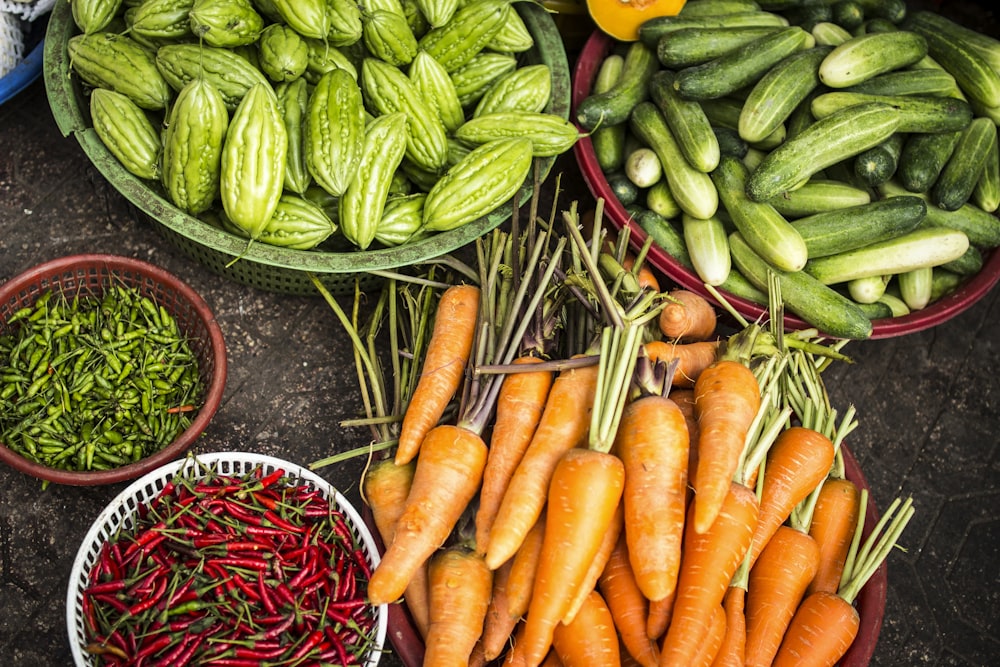
The first harvest
Pick early and pick often. Most vegetables crop more heavily the more you harvest, and almost everything is at its sweetest the moment it is ready — zucchini the size of a finger, beans before they turn stringy, salad leaves while they are young and tender. The first time you carry a colander of your own vegetables to the kitchen, you will understand why gardeners never quite stop.